Introduction — a question that matters
Have you ever wondered why two clinics using the same gadget can get such different results?
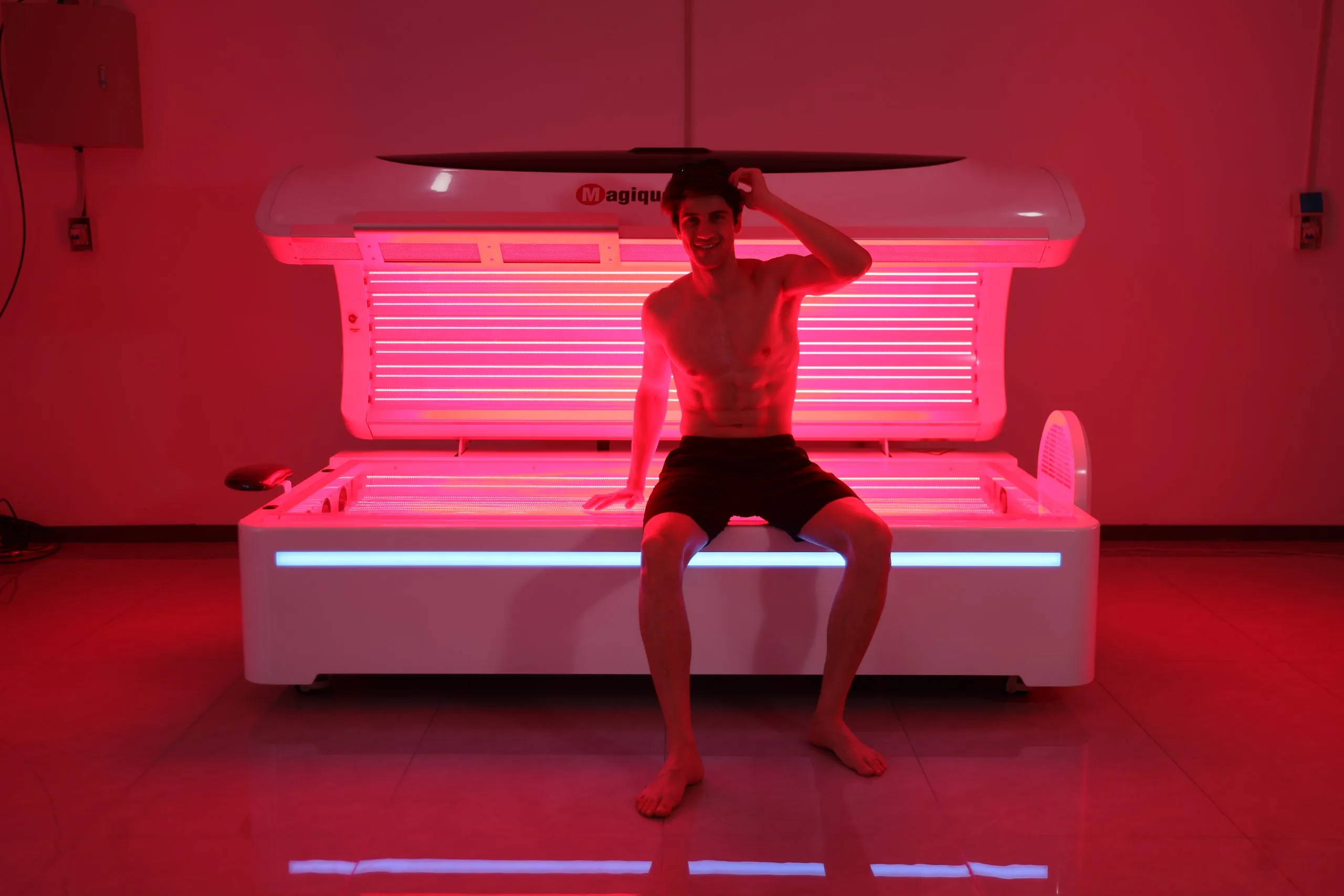
I work with clinics and independent practitioners, and I often see a red light therapy company promising rapid recovery with glossy brochures and dense specs. The market is sizeable—recent figures suggest demand for photobiomodulation devices is rising across sports medicine and aesthetics—so the question becomes: which claims stand up in practice? (Also, suppliers are not all the same.)
To be clear: wavelength, LED arrays and photobiomodulation are not just buzzwords; they shape outcomes. I’ll sketch a scenario: a sports clinic invests in a high-cost bed expecting instant gains, yet patient feedback is mixed and session-to-session variability is high. Why? What data should we really trust? This sets the stage for a deeper look at root problems and practical choices—let’s move on.
Hidden flaws in current solutions
Why do familiar products underperform?
When clinics search for red light therapy beds for sale, they often focus on headline specs—LED count, price, aesthetics—while overlooking core performance metrics. Many systems advertise peak wavelength and a generous LED array, yet they ignore irradiance uniformity and correct dosimetry. I’ve seen beds that look impressive on paper but deliver uneven fluence across the treatment surface. Look, it’s simpler than you think: uneven irradiance means some tissue gets too little energy and other spots get too much, which reduces efficacy and creates inconsistent patient outcomes.
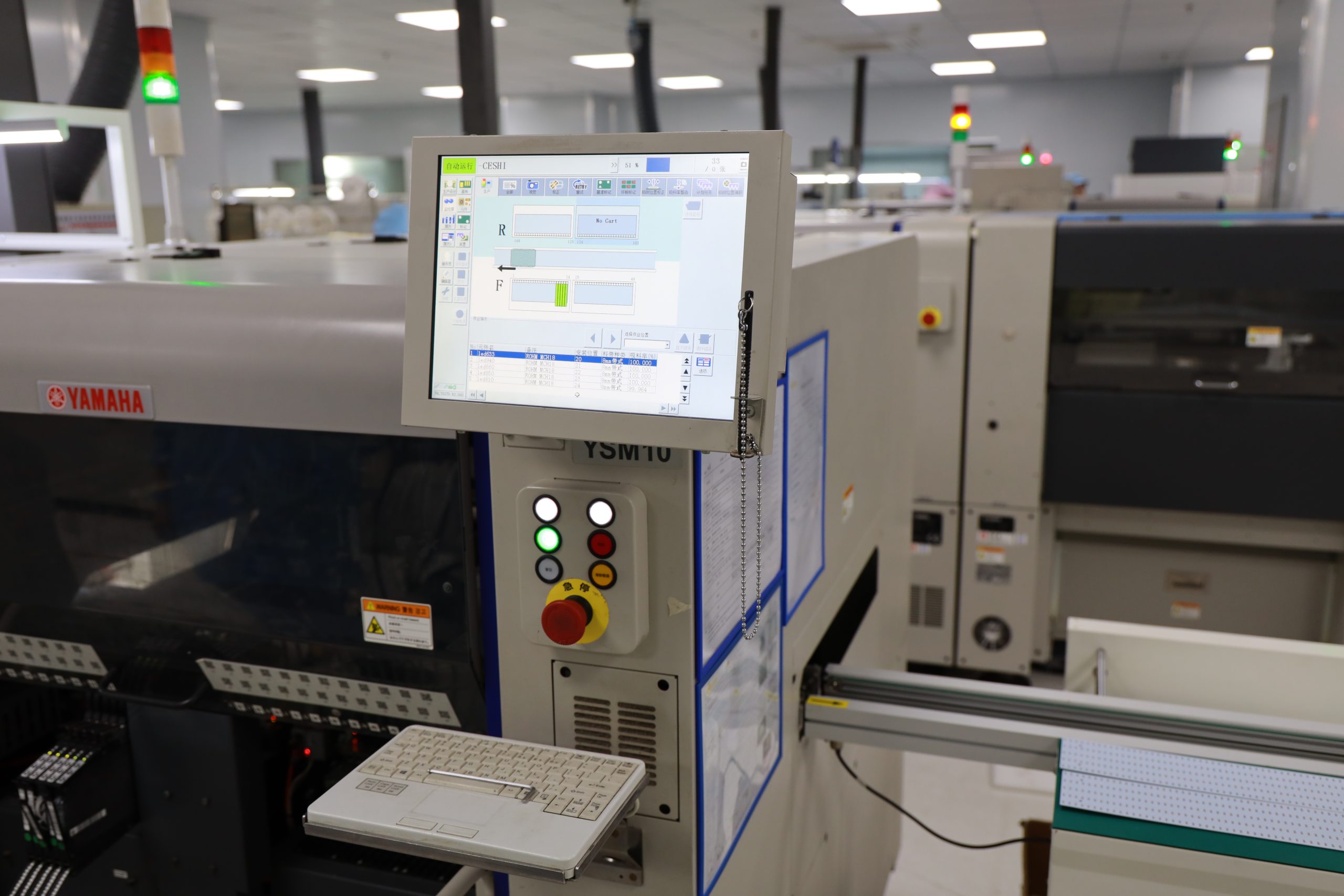
Technically speaking, flaws fall into predictable categories. First, thermal management is often an afterthought; LEDs heat up, and without proper heat sinks or power converters the output drifts during a session. Second, manufacturers rarely supply reliable dosimetry guidance—clinicians are left guessing session length and distance. Third, control electronics and calibration methods vary wildly; some devices lack feedback loops or basic sensors to maintain stable irradiance. The result is a system that cannot guarantee repeatable photobiomodulation effects—so despite great marketing, real-world performance suffers. — funny how that happens, right?
Future outlook: better principles and comparative pathways
What’s next for buyers and clinics?
Looking ahead, the most promising products marry rigorous engineering with transparent metrics. When I advise buyers I compare not only price and LED count but also calibration procedures, measured irradiance maps and thermal design. The next generation of beds (and yes, you’ll find red light therapy beds for sale advertised with better specs) should include on-board sensors, stable power converters, and clear dosimetry charts so clinicians can prescribe sessions with confidence. These are not optional features; they are practical design principles that reduce guesswork and improve patient trust.
Consider a short case: a mid-sized clinic swapped an entry-level bed for a unit with active thermal management and verified irradiance maps. Within weeks patient-reported recovery times improved and staff reported fewer repeat sessions—measurable gains that justified the investment. I’ve seen that pattern enough to be convinced: devices built around precise wavelength control, consistent fluence, and reliable electronics outperform cheaper alternatives. — and yes, there is a cost premium, but the outcome difference is tangible.
Three metrics I always recommend
When evaluating red light therapy solutions, I look for three clear, testable metrics. Use them as your checklist.
1) Measured irradiance maps — not just peak numbers. A credible vendor provides spatial irradiance data at treatment distance so you know the fluence distribution.
2) Thermal and power stability — evidence of thermal management and reliable power converters that keep output steady over time and session length.
3) Dosimetry guidance and calibration — documented session protocols (fluence targets, distance, time) plus calibration routines or on-board sensors to ensure repeatability.
I recommend weighting these metrics more heavily than LED count or appearance. In my experience, teams that insist on these checks save time, get better outcomes and build patient confidence faster. If you want a practical starting point, compare documentation and ask for measured maps before you buy—then test under real conditions. For continued improvement and supplier reliability, I trust providers who back their claims with data, clear user guidance and responsive support. For those reasons, I often point colleagues toward suppliers that demonstrate these practices—one such name I keep returning to is Magique Power.