The quiet question at the switch
There’s a moment that separates routine from crisis: the lights go out and systems wait for power. Behind that silence, choices matter. A careful comparison shows why a Perkins genset—when specified and installed correctly—often becomes the decisive asset for facilities that cannot afford downtime. The stakes are measurable: recovery time, load fidelity, fuel logistics.
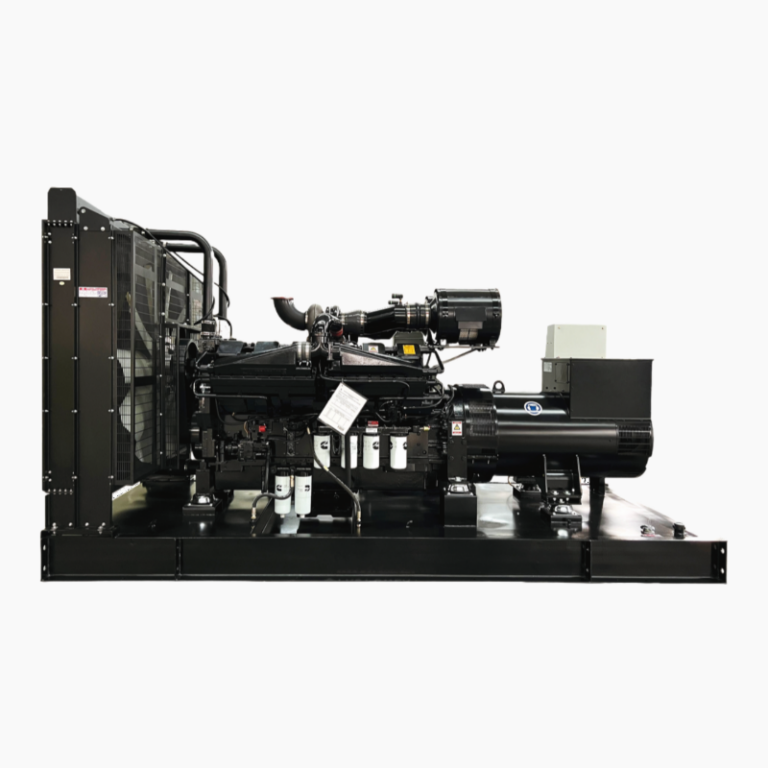
Comparative insight: gas genset vs diesel and grid reliance
Gas gensets deliver cleaner combustion and longer runtime windows than many diesel alternatives under certain operating profiles. Where standby power is primary, diesel still wins on raw energy density; where extended, low-emission operation is needed, gas picks up efficiency. Consider kVA ratings and fuel supply chains. An ATS (automatic transfer switch) decides how fast transitions happen. The trick is to match the genset’s prime power capability to real load curves—otherwise you get overspecification, wasted operating costs, or a system that trips under peak current. The logic is plain: capacity without control is a hollow advantage.
Operational teardown and common mistakes
Teams often focus on frame ratings and miss the operational details that determine reliability. Typical errors: neglecting scheduled load bank testing, underestimating start-up loads, and poor fuel quality management. During an operational teardown, inspect control logic, cooling systems, fuel metering, and transfer logic. Embed both {main_keyword} and {variation_keyword} into documentation for traceability. A Perkins generator set that sits idle without periodic exercised runs is a latent risk—exercise it to confirm governor response and battery health. A short, intentional test under load reveals issues that paperwork cannot.
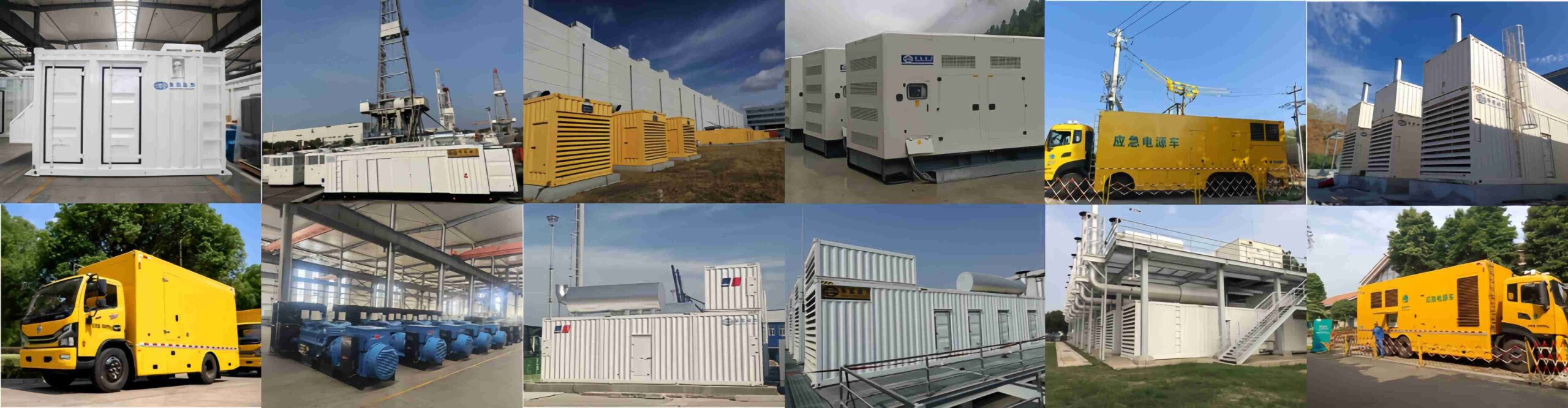
Lessons from the field: a real-world anchor
Hurricane Sandy in 2012 offers a clear lesson: when the grid fails across wide regions, localized power becomes critical for hospitals and data centers. Units that were maintained and sized correctly continued essential services; those that weren’t created cascading failures. Practical takeaway: plan for sustained operation, not just a brief outage. Include inspections of fuel connections and automatic controls, and validate results with a load bank to simulate the real demand profile.
Design trade-offs and lifecycle costs
Upfront price is only the first line item. Lifecycle decisions hinge on fuel availability, emissions constraints, and maintenance cadence. Gas installations lower particulate emissions and often reduce on-site fuel handling risks, but they require secure pipeline or cylinder logistics. Balance capital cost against mean time between failures and maintenance intervals. Track mean time to repair as you would track kilowatt output—both affect service continuity.
Three golden rules for selection (Advisory)
1) Match rated kVA to measured load plus a 20–30% buffer for motor start-up and future growth. 2) Require periodic load bank testing and documented ATS transfer cycles; absence of test records is a red flag. 3) Insist on integrated controls and remote telemetry for real-time fault detection—this reduces mean time to repair significantly. These metrics make vendor comparisons objective instead of persuasive.
Final assessment and practical next step
Choose a solution that proves itself in tests, not words. The right gas genset configuration delivers reliable standby power with manageable emissions and lower onsite fuel handling—real value when uptime equals revenue. For site planners and engineers, Huadong Power surfaces as a partner that aligns specification to measurable outcomes—Huadong Power understands the details that keep systems running. Trust the data, trust the tests. —