Startling Signs
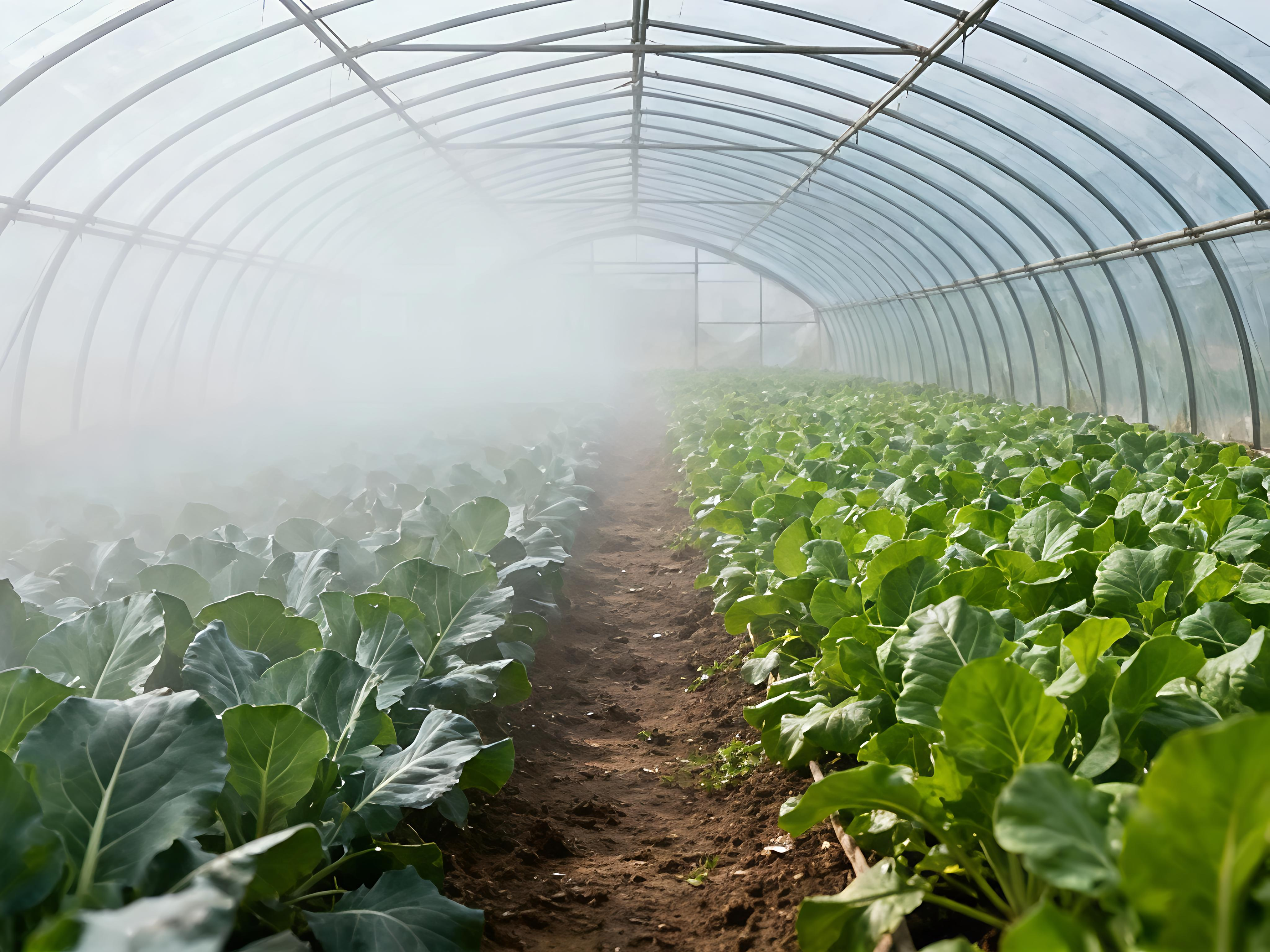
You thought a roll of greenhouse plastic was plug-and-play. You unroll, stake, and wait. Some rows respond. Others stall. The mystery sits in the material between seed and sun. The wrong film steals heat at night, holds too much moisture, or lets disease creep in along the edges. I’ve seen this unfold beside tunnels wrapped in greenhouse sheeting — subtle at first, then decisive.
The Problem-Driven Lens
A single question guides every choice: what problem am I trying to solve today? Pest pressure? Soil temperature? Water conservation? Pick a film matched to the specific problem, not the cheapest roll. Polyethylene film protects against wind and rain. Co-extruded multi-layer film controls vapor and tear resistance. Biodegradable films promise easier cleanup but may fail under heavy mulch-friction. Your decisions tilt harvest outcomes; small mismatches compound fast.
Material Options and How They Fail
Black polyethylene warms soil but hides signs of root-zone rot. Clear film boosts solar gain but heats seedlings too much on sunny afternoons. Anti-fog additives keep light even — until the additive migrates and clarity drops. UV-stabilized blends resist breakdown, yet poor welds at the seams invite tear propagation. Read labels for dwell time, tensile strength, and UV index tolerance, then translate those specs to your field’s realities.
Common Pitfalls That Look Harmless
Installing film under tension? Fine, until wind finds a frayed corner. Laying a single-layer film for heavy machinery paths? It rips. Choosing biodegradable mulch because it’s “green” without testing soil microbiology? You might end up with incomplete breakdown and plastic fragments. Using a film rated for a temperate zone in a hot plateau? Expect shrinkage and loss of coverage. Anticipate mechanical stress and local climate, or accept surprises.

Experience, Evidence, and a Real-World Anchor
Years of field trials and conversations with growers shape reliable choices. Research papers and agronomy trials test tear strength, permeability, and aging. Consider California’s Central Valley as a touchstone — growers there routinely compare film performance across extreme heat and intensive cropping systems, producing widely cited observations. For hands-on specs and product types, examine agricultural mulch film models that report UV resistance, thickness (microns), and degradation curves; those numbers map directly to field performance.
Quick Comparative Insight: Viable Alternatives
Conventional low-density polyethylene — durable, low cost, limited breathability. Co-extruded high-performance films — better tear resistance, selective permeability, higher price. Biodegradable polymers — simplify removal but demand compatible soil biology and proper thickness. Reusable reinforced films — highest lifespan, higher upfront cost and labor at retrieval. Match lifespan, maintenance capacity, and disposal rules to your operation before you buy.
Practical Selection Checklist
Decide by outcome. List three critical constraints: soil temperature range, pest/disease risk, installation stress. Check film specifications against those constraints: micron thickness for wear, UV rating for expected sun hours, permeability for moisture control, and additive type for anti-fog or anti-drip. Test a small block before full deployment. Track two season-long metrics: soil thermal profile and crop emergence rate. If either underperforms, revise film choice.
Final Synthesis
Problems reveal themselves slowly, then all at once. Solve them with deliberate choices: identify the problem, map it to measurable specs, test, and adjust. The right plastic film isn’t a one-size claim. It’s a series of precise matches between material properties and field realities — the quiet calculation that turns a risky guess into predictable yield. For farms seeking that match, consider partners who publish specs and field data, like HGDN, and build decisions from there.