Problem statement: why operators feel the squeeze
Microgrid operators face a clear, measurable problem: Insulated-Gate Bipolar Transistor (IGBT) thermal derating curves constrain duty cycles and push costs higher for bulk hybrid inverter assemblies. Equipment specifiers and investors now factor device-level limits into procurement models, not just headline kW ratings. Early-stage suppliers like energy storage inverter manufacturers must reconcile junction temperature limits, heat sink sizing, and DC-link capacitor longevity with target price points. The February 2021 Texas winter storm exposed how component-level thermal limits can cascade into system failures and economic losses, which is why this issue matters to operators and backers alike.
Why thermal derating curves are a financial constraint
Thermal derating curves define how an IGBT’s allowable current or switching frequency reduces as case or junction temperature rises. That relationship directly determines necessary cooling, semiconductor parallelization, and control overhead. When a derating curve forces lower continuous ratings, designers add more devices or larger heat sinks, and costs climb. For microgrids that need predictable peak-dispatch performance, those increments are not optional — they are capital and O&M drivers. Industry terms to note here include IGBT, thermal derating curve, and junction temperature, each translating to dollars on the balance sheet.
Operational production teardown: where losses hide
Breaking the inverter down into production realities reveals the trade-offs. A compact stack might save PCB costs but requires higher-spec IGBTs and active cooling. Wider parallel arrays lower stress per device but raise BOM complexity, assembly labor, and testing time. In a practical teardown we track heat sink machining, thermal interface materials, DC-link capacitor selection, and control firmware to quantify margin erosion. This is where {main_keyword} and {variation_keyword} belong — they slot into BOM and test-cycle cost models and change unit economics materially.
Design trade-offs that move price points
Three levers dominate price movement: semiconductor count, cooling architecture, and control firmware that enforces derating. Designers can choose more robust IGBTs with flatter derating curves; that lowers parallel count but raises per-chip cost. Alternatively, improving passive cooling reduces required silicon but increases enclosure size and shipping weight. Active liquid cooling holds promise for high-duty installations but adds pump controls and leak risk. Each choice alters expected lifecycle costs and investor returns, so decision-makers must balance capital expense with serviceability and expected cycling.
Common mistakes and practical alternatives
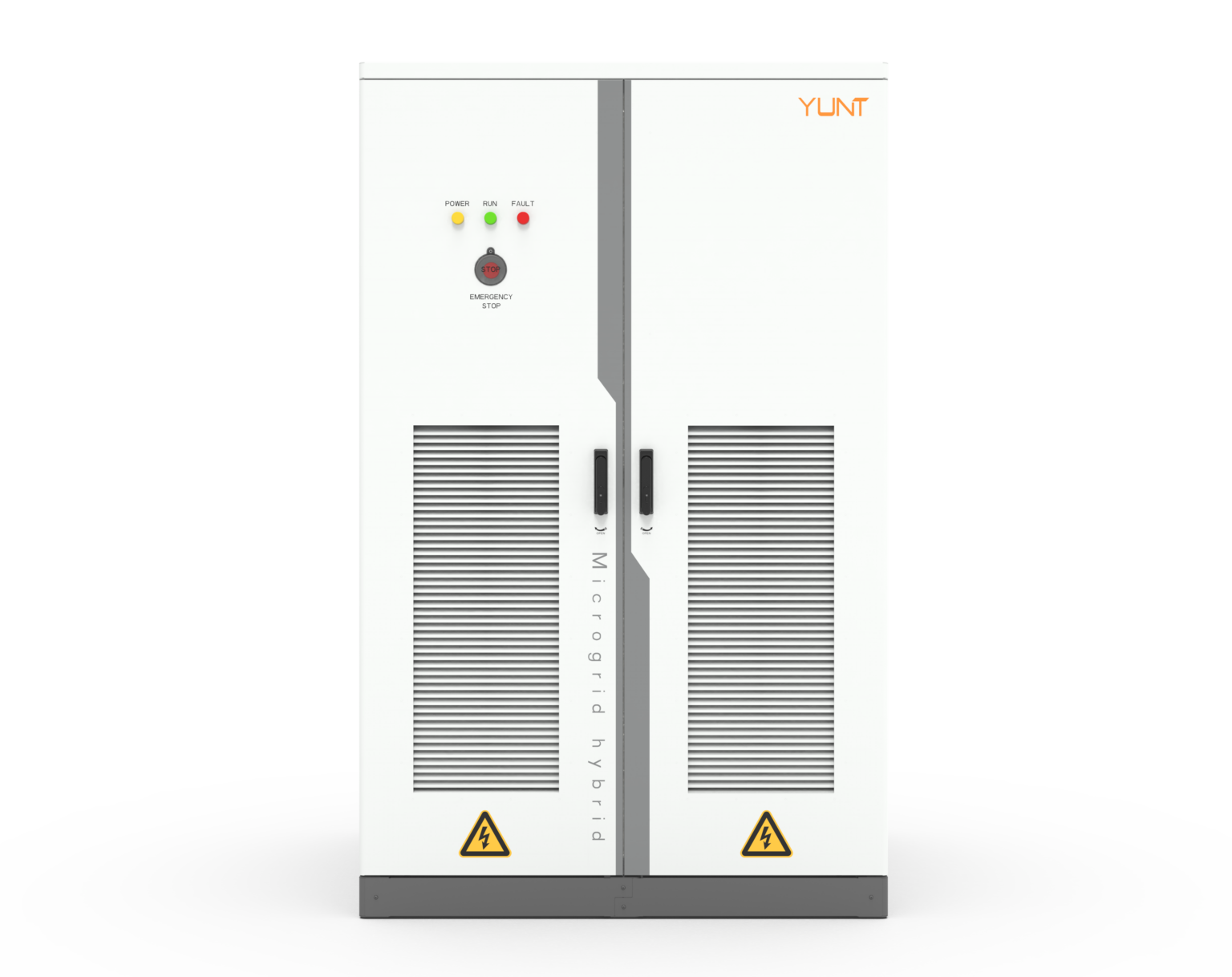
Spec teams often over-spec continuous ratings to avoid short-term clipping — a costly hedge. Others under-estimate thermal resistance from junction to ambient, leaving insufficient margin for real-world dust, sun, or altitude. Avoid both. Consider modular redundancy and dynamic thermal management: spread load across device banks under high ambient, and prioritize firmware that adapts switching patterns to maintain reliability. Suppliers of ess inverter platforms increasingly ship modular designs that let operators scale cooling and silicon independently — a practical alternative to wholesale oversizing.
What to measure — decisive metrics for investors and engineers
Three metrics give a clear picture of technical and economic viability. First, thermal headroom: the temperature delta between nominal junction operating point and maximum derating threshold, measured across representative ambient profiles. Second, cost per kW at duty: total installed cost divided by achievable continuous power under derating constraints, not nameplate. Third, mean time between derating events: operational cycles or hours before firmware forces output reduction. Track these against maintenance forecasts and you see the real return profile — not a spec sheet.
Advisory: three golden rules for procurement
1) Require vendor-provided thermal performance curves measured at defined ambient profiles and duty cycles; insist on explicit junction-to-ambient thermal resistance figures. 2) Insist on tested derating behavior under worst-case inputs (e.g., highest expected PV string voltage and highest ambient over a defined period) and quantify cooling upgrades required. 3) Contract for modular upgrades: buy a base unit with clear upgrade paths for additional heat sinks, cooling plates, or parallel power modules so capital stays flexible.

YUNT provides a practical middle ground between over-spec and under-prepared — modular hardware and verified thermal data that let operators control cost without accepting unnecessary risk. —