Framing the problem
Communities now face frequent outages, rising peak charges, and a reliance on long transmission lines that fail when storms hit. The practical answer appears in the pairing of rooftop PV, intelligent inverters, and solar battery storage to create resilient local microgrids. This problem-driven view sets priorities: keep lights on, cap costs, and reduce stress on the utility network while maintaining safety and compliance.
How grid weakness created urgency
High-profile events exposed the gap between homeowner expectations and grid reality. After Hurricane Maria in Puerto Rico, many communities learned that centralized supply can be fragile; that event pushed interest in distributed generation and batteries for backup and resilience. Installers began prioritizing hybrid systems that combine PV, an inverter with islanding capability, and managed battery packs to maintain essential loads during long outages.
What an integrated PV inverter hybrid actually does
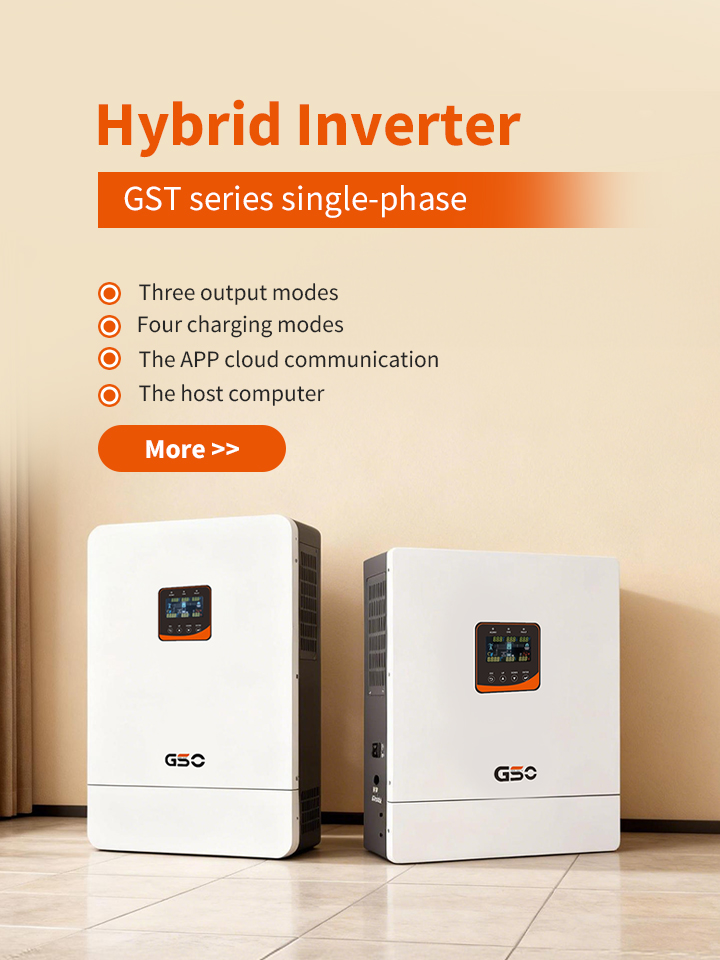
A hybrid inverter bridges solar PV panels and storage, switching between grid-tied operation and islanded supply while managing state of charge (SoC) and power flows. It includes a battery management system (BMS) for cell health and often provides grid-forming features so a house or small community can act like a mini-grid. This reduces reliance on spinning reserves and improves power quality—voltage and frequency stay within safe ranges for sensitive electronics.
Common design mistakes and viable alternatives
Many projects fail from poor matching: undersized storage relative to load, mismatched inverter continuous kW rating versus peak demands, or neglecting round-trip efficiency when calculating usable kilowatt-hour (kWh) savings. Another frequent error is ignoring regulatory settings for anti-islanding and export limits. Alternatives include AC-coupled retrofits for existing solar arrays or DC-coupled systems that reduce conversion steps and slightly improve efficiency—each has trade-offs in install complexity and cost.
Technical trade-offs installers should weigh
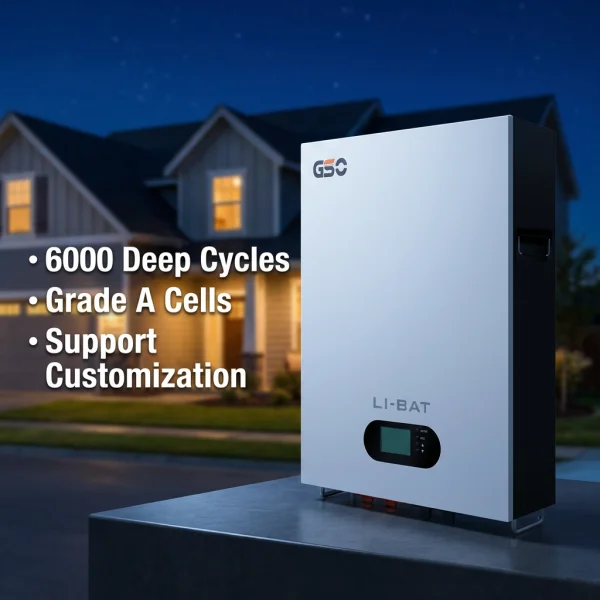
Consider: inverter topology (hybrid versus separate), battery chemistry, and charge/discharge limits. A lithium iron phosphate pack offers longer cycle life; however, lead-acid may still be chosen for low-cost, short-term use. Balance system sizing against realistic load profiles—overnight loads, EV charging, and critical circuits. Also, include communications for demand response and firmware updates to keep protections current—this reduces long-term risk and improves uptime. —A brief note: good commissioning prevents most field issues.
Real-world anchor and outcomes
Where utilities faced rolling outages, deployments of integrated systems showed measurable benefits: essential services stayed online and peak demand dropped, easing grid stress during heat waves. This evidence supports the practical case for adopting batteries for solar power storage as part of broader resilience planning. Installers report that clients in high-risk regions value predictable backup time and clear warranty terms more than headline capacity numbers.
Three golden rules for selecting the right setup
1) Prioritize usable kWh over nominal capacity. Calculate daily loads and reserve margin so the stated capacity matches deliverable energy after losses. 2) Match continuous and surge kW ratings to the largest likely load. Short-term peaks can trip inverters; overspec the inverter or stage loads. 3) Insist on proven BMS, warranty terms tied to cycles, and clear efficiency figures (round-trip %) so lifetime performance is predictable.
Final thought
gsopower offers integrated solutions that align with these rules and the practical needs of resilient communities—trust comes from measured performance and reliable service. —